Navigating Allowable Expenses and Asset Expensing
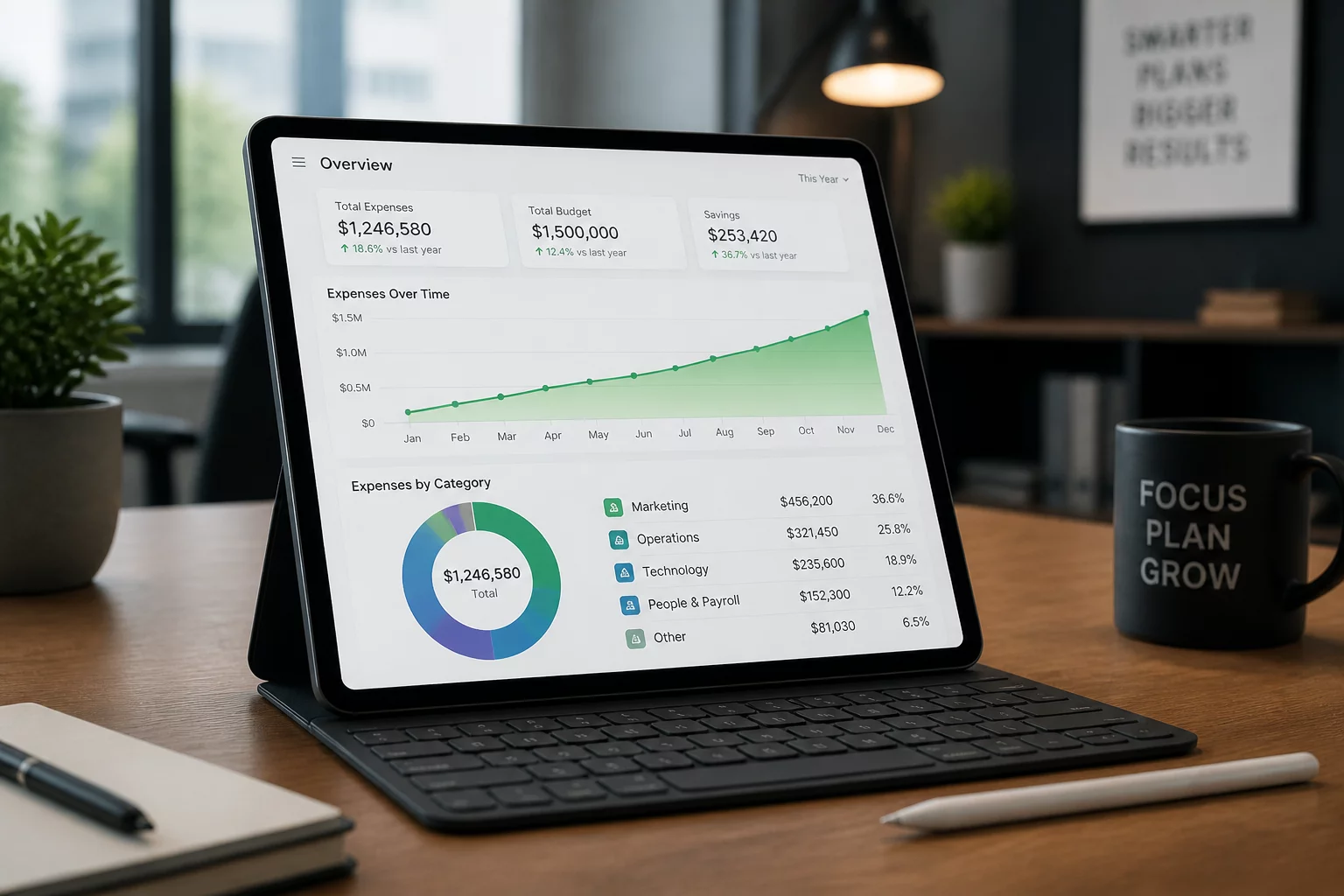
Managing operational costs requires a thorough understanding of allowable business deductions under federal and state tax codes. For small and medium enterprises entering the 2026 reporting cycle, distinguishing between ordinary and necessary expenses forms the foundation of legal tax mitigation. Expenses ranging from software subscriptions and professional retainers to cloud infrastructure and commercial rent can be fully deducted against gross receipts, provided accurate contemporaneous documentation is preserved.
Capital expenditures demand heightened scrutiny this year as phased-down bonus depreciation incentives interact with adjusted Section 179 thresholds. Qualifying equipment purchases, specialized operational machinery, and off-the-shelf software packages can still provide substantial immediate relief when placed in service before December 31. Maintaining distinct general ledger accounts for recurring operating overhead versus capitalized improvements prevents costly reclassification during year-end reconciliation.
2026 Statutory Parameters and Allowance Caps
- Section 179 Max Deduction
- $1,220,000 Cap
- Phase-Out Spending Limit
- $3,050,000 Threshold
- Standard Mileage Rate
- 67.5 Cents Per Mile
- Qualified Business Income (QBI)
- Up to 20% Pass-Through
Optimizing Fringe Benefits, Travel, and Remote Office Costs
Employer-provided benefits represent one of the most effective dual-purpose deduction mechanisms available to SMB leaders. Qualified contributions toward employee health insurance plans, retirement structures such as SIMPLE IRAs and 401(k) matches, and educational reimbursement programs remain entirely deductible business costs while providing tax-free value to staff. Furthermore, business vehicle usage tracking should transition to automated telematics solutions to substantiating mileage logs against potential audit inquiries.
Core Deductions Checklist for Fiscal 2026
- Elect Section 179 for computer hardware, office furniture, and machinery acquired during the current fiscal period.
- Maintain verified digital records for 50% deductible client business meals with explicit notation of business purpose.
- Claim the simplified or actual-expense home office deduction for qualifying primary administrative work zones.
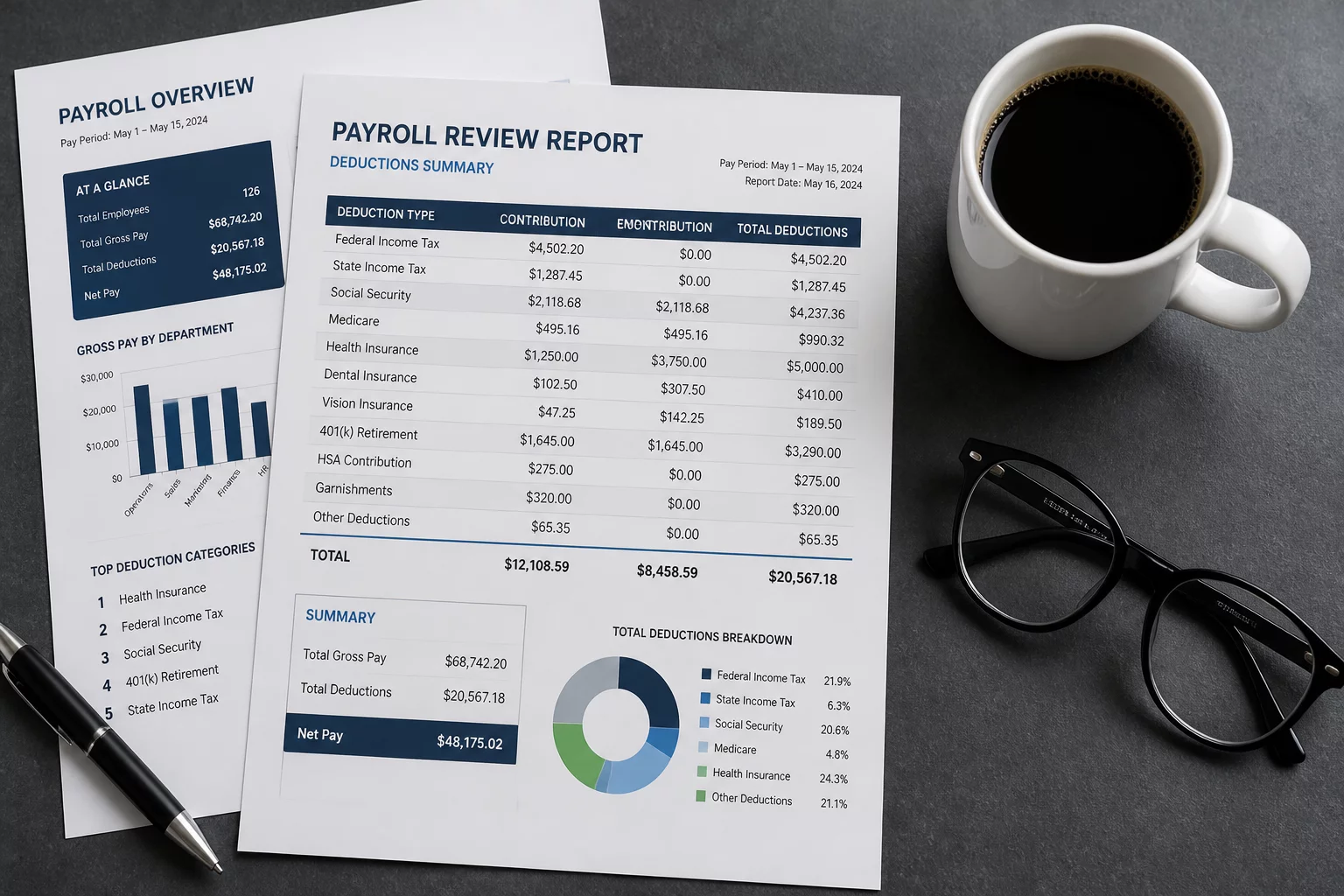
- Reconcile health savings account (HSA) contributions and employer-sponsored retirement plans before fiscal close.
Diligent categorization of ordinary operational expenses combined with timely asset elections turns compliance obligations into predictable cash flow retention.